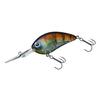
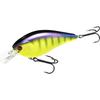
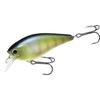
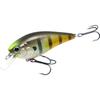
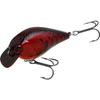
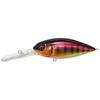
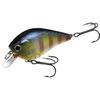
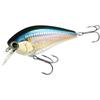
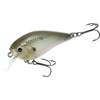
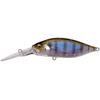
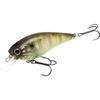
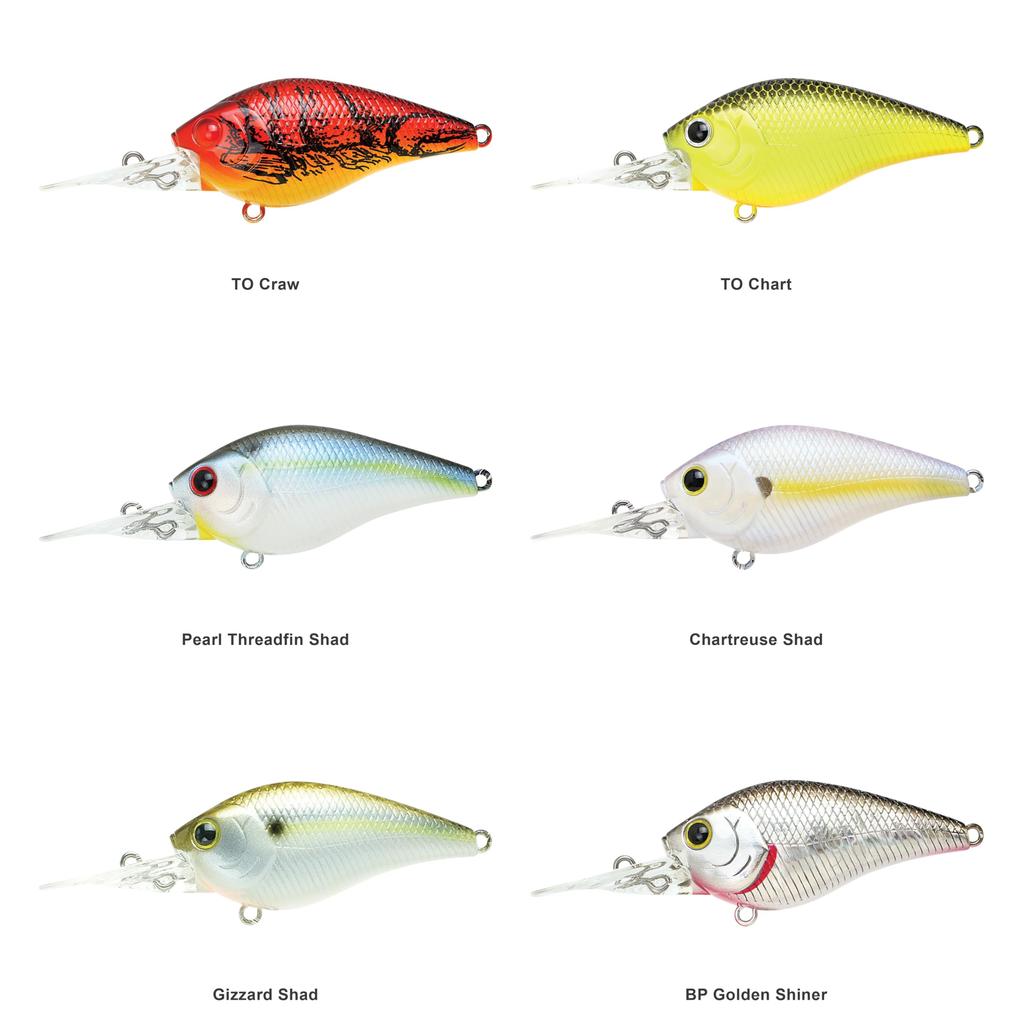
• What is the LC Series/DD's Positioning The ``LC Series'' is an innovative crankbait series that reproduces the square bill action originally used in balsa crankbaits using plastic.By using high buoyancy plastic, it is more durable than wood, and can be used with confidence even on hard bottoms with lots of reefs and cover.
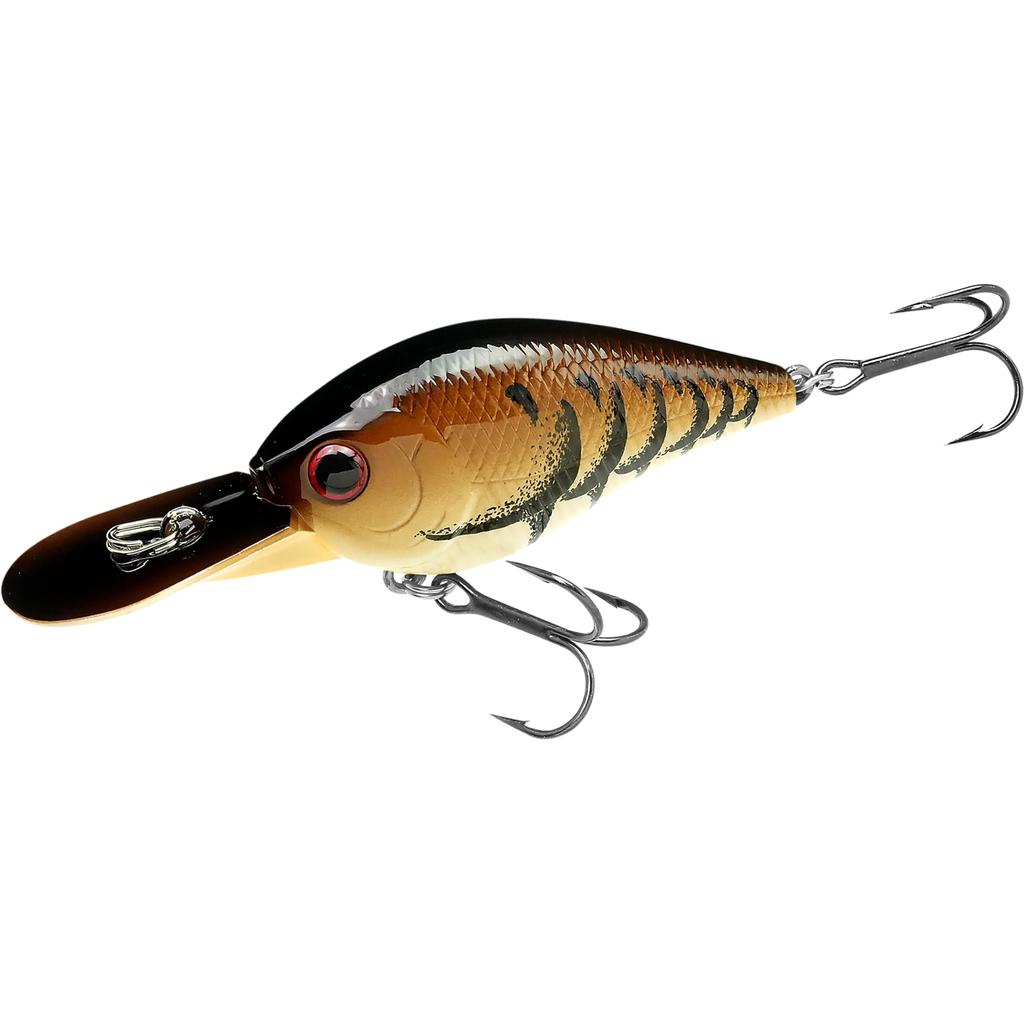
• The LC series has multiple variations (shallow to deep, different sizes, etc.), and the LC DD series is the “DD (Deep Diver / Deep-Diving / Deep Diving) model group” among them.LC DD is a crankbait designed for deeper dives and targeting deep ranges and near the bottom.Main specifications/model configuration LC DD models include "LC 1.5DD," "LC 1.0DD," and "LC 2.5DD," for example, and the size and diving range differ depending on the model.
• For example, the LC 1.5DD has specifications such as “2.36 inch / approximately 1/2 oz (approximately 14 g) / diving range 7 to 8 ft (approximately 2.1 to 2.4 m)”.Since it is made of horizontally buoyant plastic, it is designed to reduce the risk of getting entangled while making it easy to pull a deep range.Unlike the shallower LC normal, these DD types are positioned as range rangers for when you want to attack the depths and near the bottom.
•Characteristics/Strengths of the LC DD - Compatible with deep ranges and high buoyancy Although the LC DD is designed to "dive deeply," it uses a highly buoyant plastic material to easily float even when it comes into contact with roots, rocks, or structures, making it a "crank that is easy to handle even in deep waters," reducing the risk of getting entangled.
• Durability and ease of use Compared to wood cranks, the resin LC series has higher resistance to shock and abrasion, making it safe even in fields with many structures and rock bottoms.In addition, due to its buoyancy properties, it floats up and then re-dives smoothly, allowing you to easily explore a wide area.
• -Action suitable for cover cranking In addition to stable wobbling/rolling that utilizes square bill and deep diver bill, it is also possible to hit the cover and float it with a "hit → pop → re-diving" approach.It has strengths in attacking around cover, bedrock, and near weeds.
What is the LC Series/DD's Positioning The "LC Series" is an innovative crankbait series that reproduces the square bill action originally used in balsa crankbaits using plastic.By using high buoyancy plastic, it is more durable than wood, and can be used with confidence even on hard bottoms with lots of reefs and cover.The LC series has multiple variations (shallow to deep, different sizes, etc.), and the LC DD series is the “DD (Deep Diver / Deep-Diving / Deep Diving) model group” among them.LC DD is a crankbait designed for deeper dives and targeting deep ranges and near the bottom.Main specifications/model configuration LC DD models include "LC 1.5DD," "LC 1.0DD," and "LC 2.5DD," for example, and the size and diving range differ depending on the model.For example, the LC 1.5DD has specifications such as “2.36 inches / approximately 1/2 oz (approximately 14 g) / diving range 7 to 8 feet (approximately 2.1 to 2.4 m)”.Since it is made of horizontally buoyant plastic, it is designed to reduce the risk of getting entangled while making it easy to pull a deep range.Unlike the shallower LC normal, these DD types are positioned as range rangers for when you want to attack the depths and near the bottom.Features/Strengths of LC DD - Compatible with deep ranges and high buoyancy Although the LC DD is designed to "dive deeply," it uses a plastic material with high buoyancy to easily float even when it comes into contact with roots, rocks, or structures, reducing the risk of getting entangled, making it an "easy-to-handle crank even in deep waters."・Durability and ease of use Compared to wood cranks, the resin LC series has higher resistance to shock and abrasion, making it safe even in fields with many structures and rock bottoms.In addition, due to its buoyancy properties, it floats up and then re-dives smoothly, allowing you to easily explore a wide area.・Action suitable for cover cranking In addition to stable wobbling/rolling that makes use of square bill and deep diver bill, it is also possible to hit the cover and float it with a "hit → pop → re-diving" approach.It has strengths in attacking around cover, bedrock, and near weeds.・A wide variety of sizes and ranges, allowing for different uses depending on the situation.There are models with multiple sizes/diving depths such as 0.5DD to 3.5DD, making it easy to choose the optimal model according to the field situation and target, from shallow to medium to deep.When to use/Recommended Scenes: Deep water or rocky/hard bottom areas near the break - If you are targeting fish that don't like being near the bottom or fish that are threadbare, deep diving + high buoyancy techniques are effective.Cranking around weed areas and cover - A combination of hitting → floating → re-diving will induce a reaction bite.Particularly strong as cover cranking.Situations where the range tends to go deep due to wind and turbidity - When there is little response in the surface layer or shallow range, you can drop the range and search for the bait layer - where the fish will land.The main axis of lure rotation when you want to carve size and depth - Normal LC → LC DD flow allows for careful exploration with a narrowed range.Precautions/Tips for use: Since there are many deep-diving and heavy models, the cast action may become unstable when using light tackle.Choosing the right rod/line is important.Not just winding, but conscious operations such as "guess" → "float" → "re-diving" are effective.Be aware of range control by winding speed and tempo.If you don't know the water depth and bottom sediment, there is a risk of it becoming entangled.Be especially careful on reefs and breaks.Summary The LC DD series is not just a "deep crank", it is a highly versatile crankbait group that combines "deep diving ability + high buoyancy + durability + flexibility with a wide range of sizes".It is a very reliable "range ranger" when you want to control the range according to the bottom sediment, field, and fish condition, or when searching for fish around cover, deep water, or near the bottom.




 Geld zurück bei Nichtlieferung