Platform-Certified Top Store Operated by Japanese Experts
🎴Why Choose Us?
・ Daily New Arrivals: We stock popular and brand-new items from the Japanese market every single day!
・ Professional Direct Shipping from Japan: Partnered with logistics experts specializing in international exports! Your order is swiftly and safely delivered to your doorstep with reinforced packaging.
・ Premium Quality Guaranteed: We exclusively handle products that meet Japan's strict quality standards!
・ Regarding User Manuals: Please note that the included instructions are generally in Japanese. We kindly recommend using a smartphone camera translation app if needed.
🌟 Please Leave a Review and Follow Us!
・ If you are satisfied with your purchase, we would greatly appreciate your "Follow" and a "5-Star Review"!
・ Your continued support fuels our store's growth! ARIGATOU!
Product description
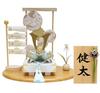
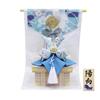
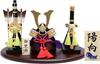
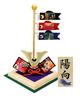
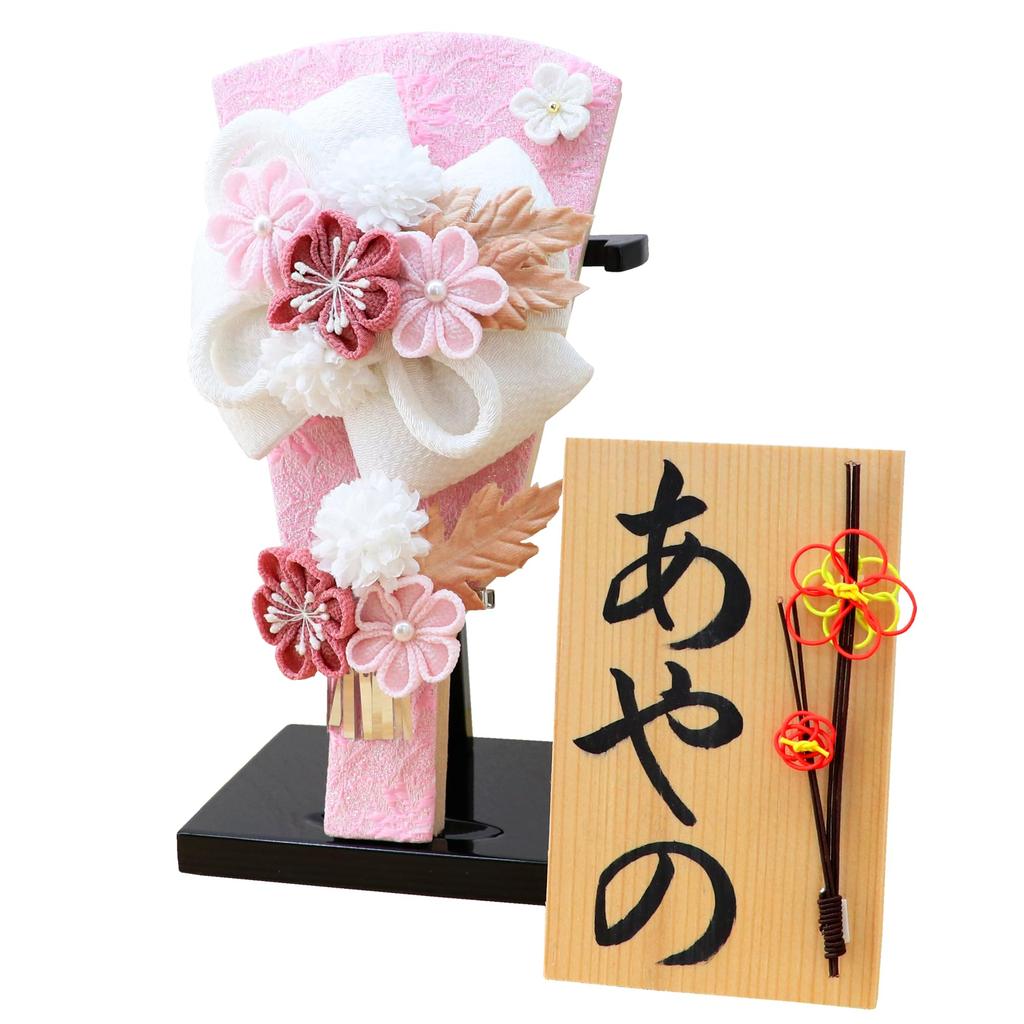
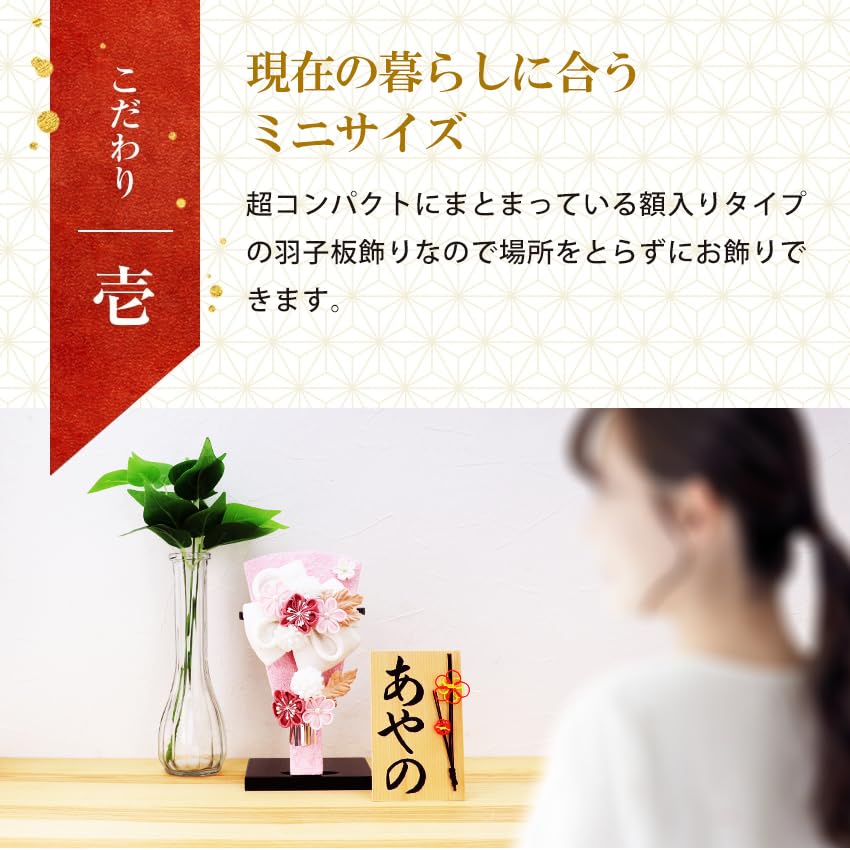
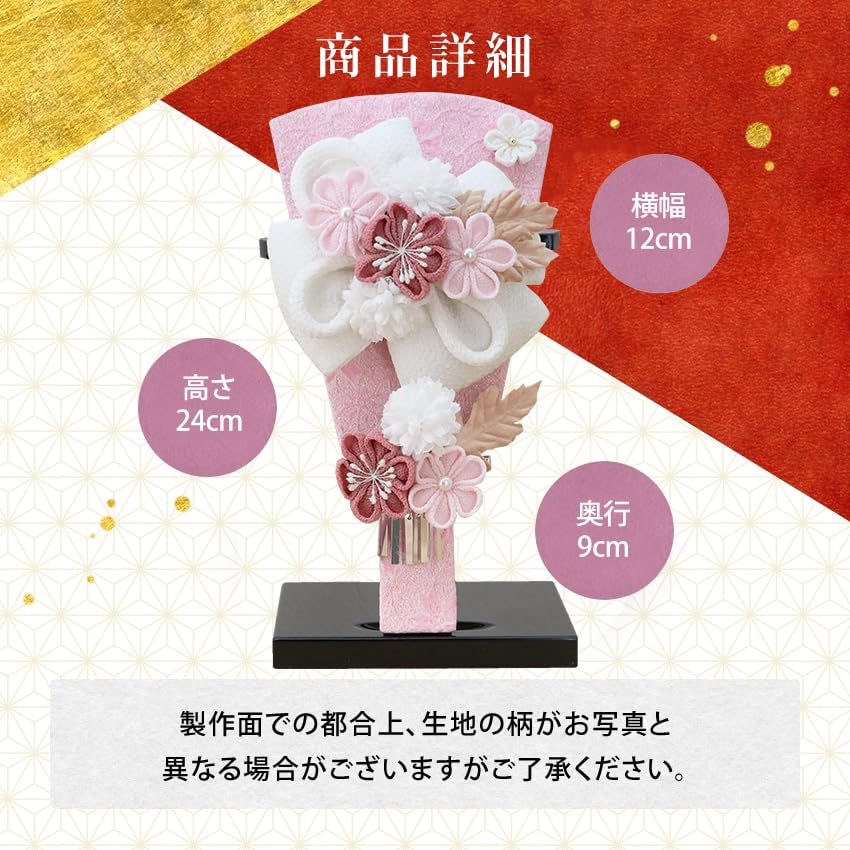
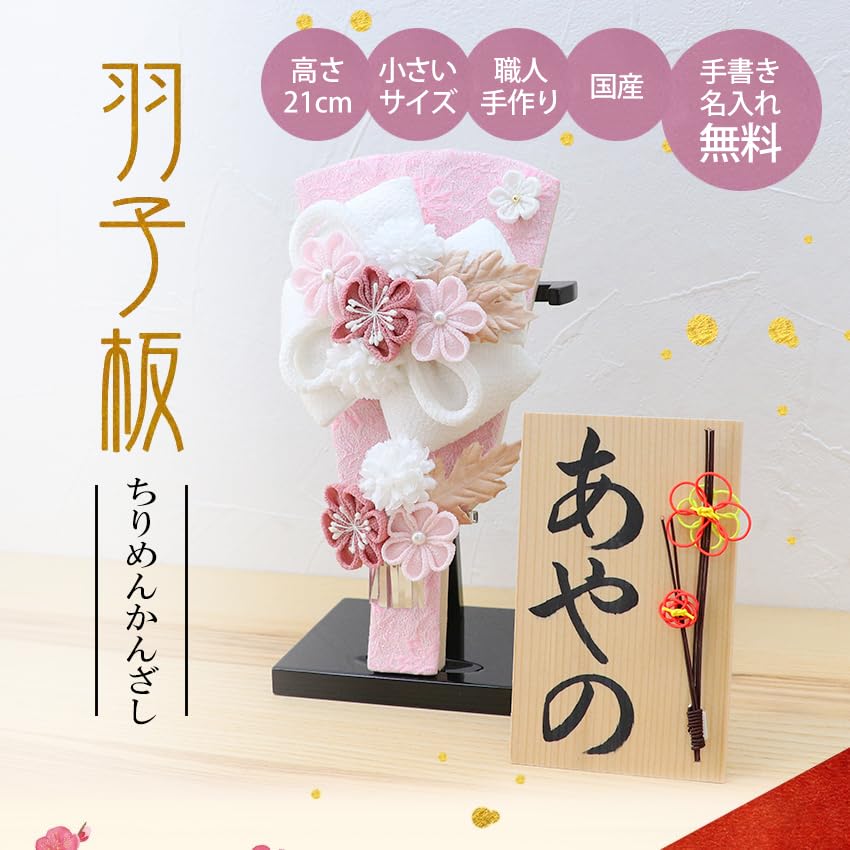
Hagoita height: approx. 21cm Decorative size: width 12 x depth 9 x height 24cm
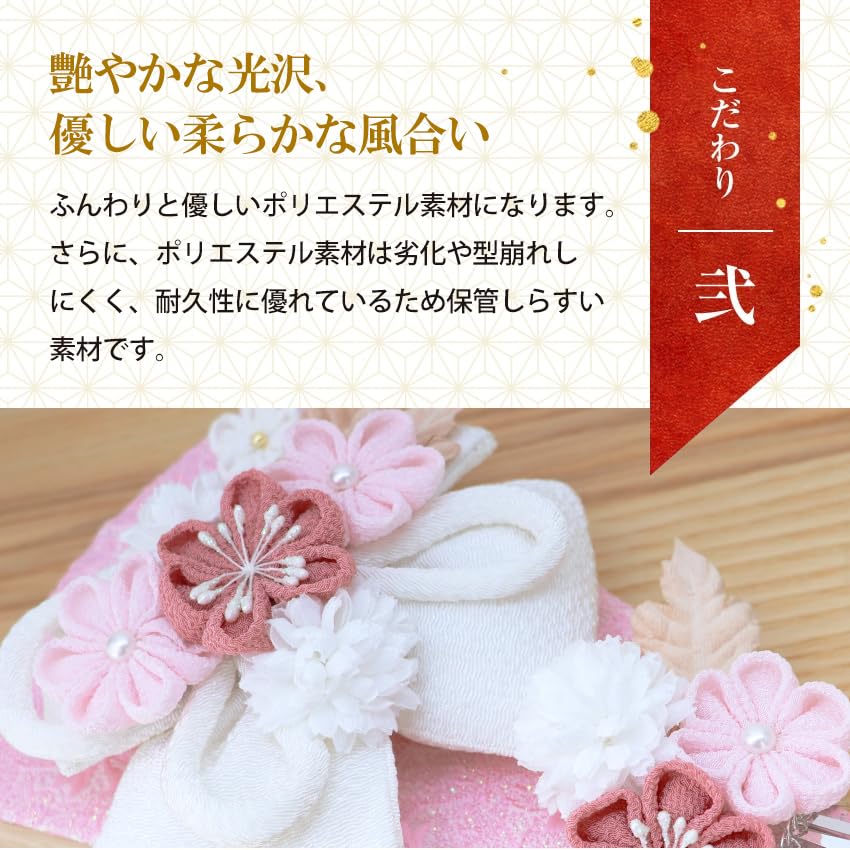
Quality: Polyester (Japan) Hagoita decoration, boxed
Each item is handmade, so please understand that the fabric pattern may differ from the photo due to production reasons.
Our store is a long-established betrothal gift shop founded in 1931. We have been preserving Japanese traditions and culture for nearly a century. All of the nameplates we send as a service are handwritten. Please refer to the notes at the bottom of the page and we will send the nameplate separately from the product.
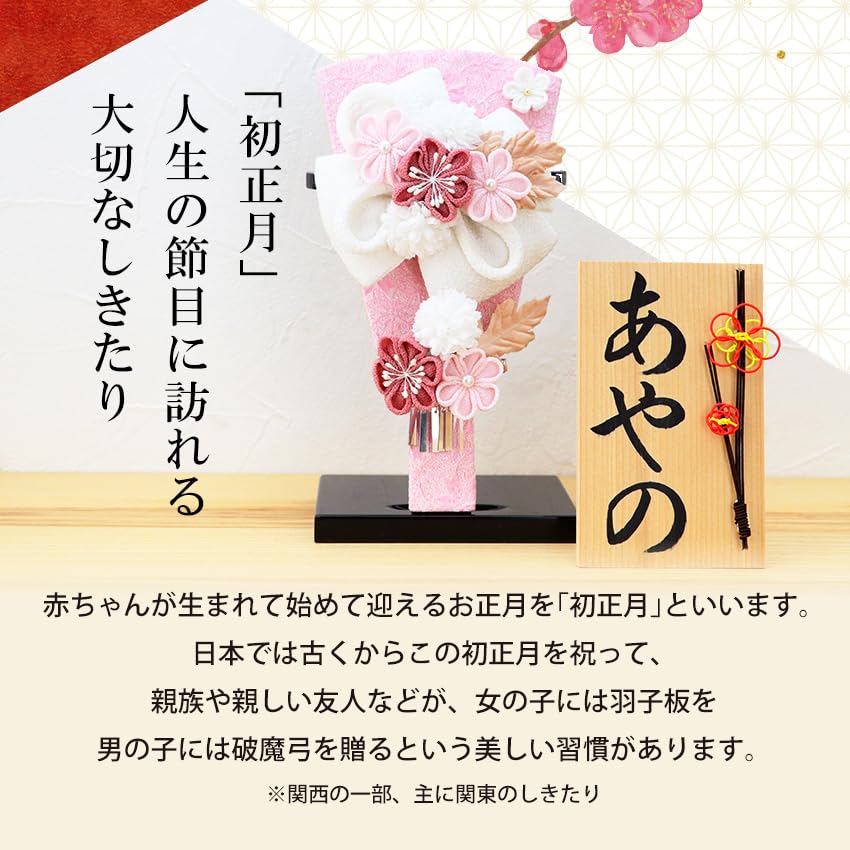
[What is the First New Year?] The first New Year after a baby's birth is called "Hatsushogatsu." In Japan, there is a beautiful tradition of celebrating this first New Year by giving a hagoita (battledore) to girls and a hamayumi (decorative bow) to boys from the baby's grandparents, uncles, aunts, matchmakers, and close friends. [The Meaning of the Hagoita] New Year's hanetsuki (battledore and shuttlecock) has been a girls' game since the Edo period. Hagoita also serves as a talisman for good health and safety for baby girls. The hard, black ball used in the hagoita is the seed of a large tree called "mukuroji," which is written in kanji as "mukuanji" (literally, "children will not suffer"). It carries the meaning of "children will not suffer." [When to Display] Hagoita and hamayumi are best displayed from mid-December onward. It is also a good idea to invite those who gave them to your home during the New Year holidays. They should be put away around January 15th. This is because around this time, the Sagicho (Dondoyaki) event is held, in which New Year's decorations are burned. During the Edo period, there were brightly colored Sagicho Hagoita (battledore) boards depicting scenes from the Sagicho festival at the Imperial Palace. This shows the close relationship between this New Year's event and the Hagoita board.
Please see the explanation at the bottom of the page for details about the wooden plaque bonus.
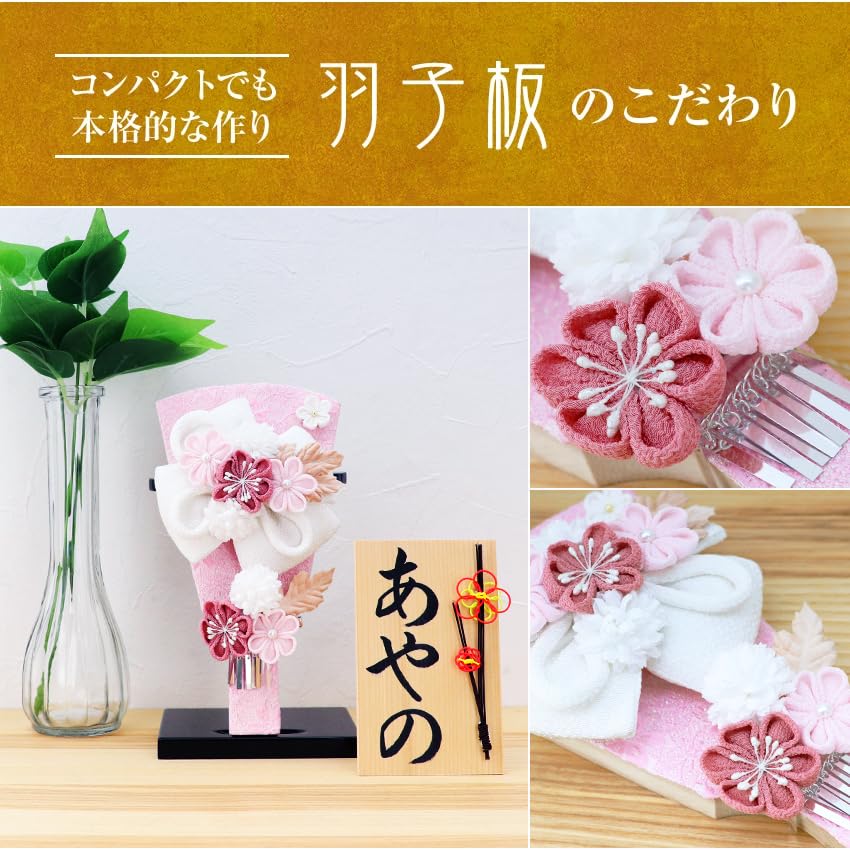
These battledore decorations will brighten up a girl's first New Year. They are made of polyester material with a lustrous sheen and soft texture. "Yuinoya Choseido" is a specialty store for engagement gifts and traditional crafts, founded in 1931. They also have stores in Daimaru, Matsuzakaya, and Kintetsu department stores.
What is the first New Year?
The first New Year's Day after a baby's birth is called "Hatsushogatsu." In Japan, there is a beautiful tradition that has been passed down since ancient times to celebrate this first New Year's Day. To celebrate, the baby's grandparents, uncles, aunts, matchmakers, and close friends give a hagoita (battledore) to girls and a hamayumi (decorative bow) to boys.
The meaning of Hagoita
The New Year's game of battledore and shuttlecock has been a girls' game since the Edo period. The hagoita also serves as a charm for the health and safety of baby girls. The black, hard ball used in the game is the seed of a large tree called "mukuroji," which is written in kanji as "mukuanshi," meaning "children will not get sick." This symbolizes the wish that children will not get sick.
Decorating season
It's best to display hagoita and hamayumi from mid-December onwards. It's also a good idea to invite those who gave them to your home during the New Year holidays to entertain them. It's best to put them away around January 15th, as this is around the time of the Sagicho (Dondoyaki) event, in which New Year decorations are burned. During the Edo period, there were brightly colored Sagicho hagoita that depicted scenes from the Sagicho festival at the Imperial Palace. This shows the close relationship between this New Year event and hagoita.



 No-delivery refund