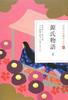
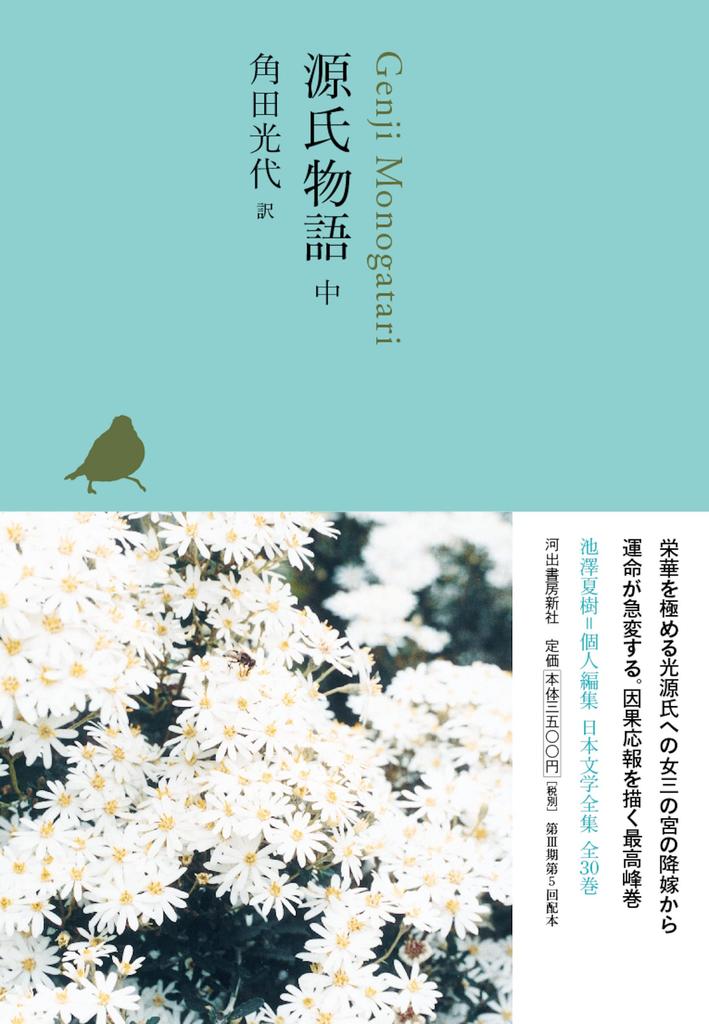
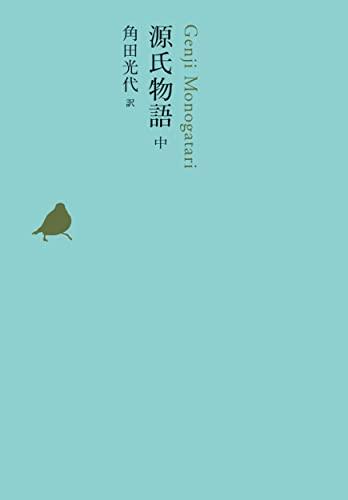
Fate takes a sudden turn when the Third Princess marries the glorious Hikaru Genji.
This masterpiece depicts love, suffering, and the karma of adultery!
You could even say that The Tale of Genji exists for this middle volume, "Wakana (Vol. 1 and Vol. 2)."
- Ikezawa Natsuki
The complexity and realism of the portrayal of emotions, and the skillfulness of the metaphors, left me gasping many times.
And then I realized: this author's writing is exceptionally vivid when he writes about negative emotions, weakness, uncertainty, and sadness. --Mitsuyo Kakuta
Annotation by Katsumi Fujiwara
Commentary by Natsuki Ikezawa
Monthly Report by Kaori Ekuni
Akiko Baba
Obi Photo by Yurie Nagashima
Table of Contents
Tamakazura: The Princess Left Behind by Her Beloved
Hatsune: A Young Princess' Message of the New Year to Her Mother
Kocho: The Men Fascinated by Tamakazura's Princess
Hotaru: A Profile Revealed by the Light of a Firefly
Tokonatsu: An Unbelievable Princess Appears
Kagaribi: A Father and Daughter Unlike Any Other
Nowaki: The Son, Yugiri, Learns His Father on a Stormy Day
Miyuki: The Minister of the Interior Learns the Truth About Nadeshiko
Fujibakama Princess Tamakazura's troubled future. Makibashira: An unexpected conclusion. Umegae: The fragrance of the ladies celebrating the formal dressing ceremony. Fujinouraba: Yugiri, the fruition of a long-held love. Wakana: Upper: The Third Princess's marriage and the priest's will. Wakana: Lower: Conflicting feelings. Kashiwagi: The birth of a boy carrying a secret. Yokobue: Kashiwagi's will, which appears in a dream of his best friend. Suzumushi: The true intentions of Empress Akikonochumiya, who lives with Emperor Reizei. Yugiri: The forceful tactics of a man unaccustomed to love. Minori: Like the disappearance of dew. Illusion. Prince Hikaru is Sinking into Sadness
[Features of Kakuta's Translation]
- While faithful to the original, the translation is easy to read and emotionally engaging.
- By adding subject lines and largely eliminating honorific language in the narrative, even the details are easy to understand.
- Modern, crisp, and lively dialogue.
- The author's and third-party voices (in the sōshibun) are captivatingly translated and inserted.
- Quotations from waka and Chinese poetry are almost entirely supplemented and introduced.


![[Buch in fetter Großdruckschrift] Yanagibashi Monogatari: Lesen Sie Shugoro Yamamotos Werke auf einmal, ohne eine Brille zu tragen](https://img.joomcdn.net/ffcde987c7378df47743c04b3f8e4a24a977c992_70_100.jpeg)